
Buy cocaine
Beyond the Appearance of Powder Cocaine: Understanding Its Real Risks
Nov
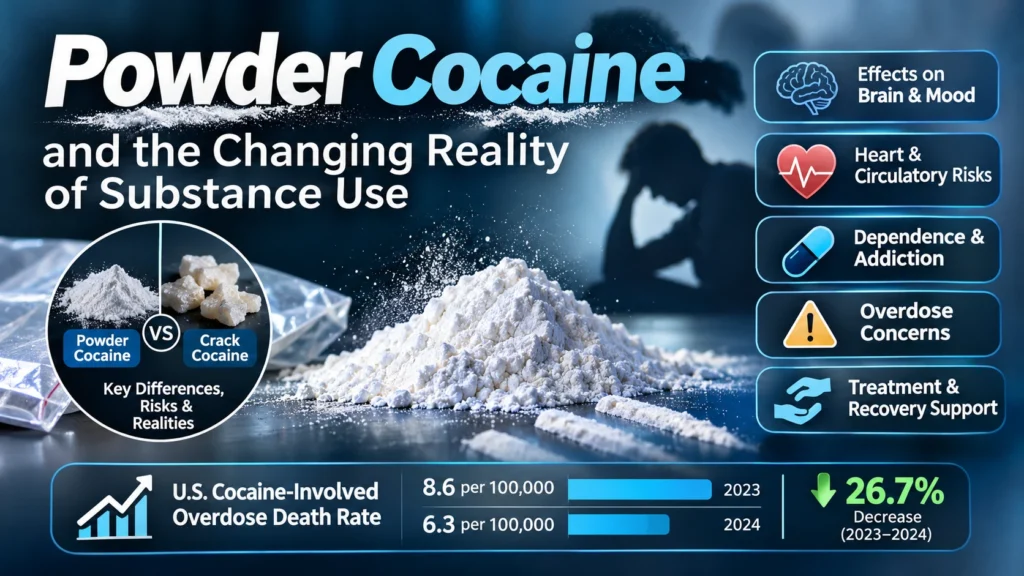
Powder Cocaine and the Changing Reality of Substance Use
Powder cocaine has remained part of public conversations about substance use, health, and addiction for decades. Yet the way society understands cocaine has changed considerably. What was once frequently discussed through the language of nightlife, popularity, and short-lived stimulation is now increasingly examined through public health research, mental health awareness, and the wider consequences of substance-related harm.
The subject is more complicated than the name itself suggests. Powder cocaine is associated with a particular chemical form of cocaine, but its appearance does not establish its composition, purity, or safety. Discussions about cocaine powder also overlap with questions about crack cocaine, psychological dependence, cardiovascular health, withdrawal, and the challenges faced by people seeking treatment.
These conversations matter because the effects of cocaine extend beyond an individual’s immediate experience. They can influence families, workplaces, healthcare systems, and communities. A more informed discussion therefore needs to consider both the substance and the wider environment in which substance use occurs.
How Powder Cocaine Became Part of a Wider Public Conversation
Cocaine has a long history that includes medical research, changing social attitudes, legal restrictions, and growing awareness of its health consequences. The substance was originally isolated from coca leaves during the nineteenth century. Early medical interest focused on its stimulant and local anaesthetic properties, although its potential for harm became increasingly recognised.
Over time, cocaine became associated with non-medical use and a range of social and health concerns. Governments introduced restrictions, while researchers continued examining its effects on the brain and cardiovascular system. Public understanding also developed as evidence linked repeated exposure with dependence, psychological complications, and serious medical emergencies.
Today, the discussion surrounding powder cocaine is not limited to its historical background. It includes questions about the changing nature of substance-related harm, the relationship between stimulant use and mental health, and the importance of accessible treatment services.
This wider perspective is important because a discussion based only on physical appearance or street terminology can create misleading assumptions. Understanding the subject requires reliable medical information rather than descriptions that suggest an unknown substance can be identified visually.
Powder Cocaine and the Different Forms of Cocaine
The term powder cocaine generally refers to cocaine hydrochloride. It is commonly described in medical and public health literature as a white crystalline powder. Crack cocaine, on the other hand, is a different physical and chemical form of the same primary stimulant substance.
The distinction between these forms is relevant when discussing their physical characteristics and health effects. However, it should not create the impression that one form is harmless or that the risks can be judged through appearance alone.
People frequently search for phrases such as cocaine powder, powder cocaïne, and is cocaine a powder. These expressions reflect different ways of describing the substance, but they do not represent separate categories of medical risk. Cocaine can exist in different forms, and all non-medical exposure carries potential health consequences.
Crack Cocaine vs Powder Cocaine
The difference between crack and powder cocaine is a recurring subject in public health discussions. Both belong to the stimulant category, but their physical and chemical forms differ. Their effects can also vary according to individual circumstances and patterns of exposure.
| Comparison area | Powder cocaine | Crack cocaine |
|---|---|---|
| Common description | White crystalline powder | Solid or rock-like form |
| Chemical form | Cocaine hydrochloride | Cocaine base |
| Drug category | Central nervous system stimulant | Central nervous system stimulant |
| Potential psychological effects | Anxiety, agitation, euphoria, and paranoia | Anxiety, agitation, euphoria, and paranoia |
| Dependence risk | Can contribute to cocaine use disorder | Can contribute to cocaine use disorder |
| Major health concerns | Cardiovascular complications, seizures, stroke, and overdose | Cardiovascular complications, respiratory harm, seizures, stroke, and overdose |
| Safety assessment | Appearance cannot establish safety or composition | Appearance cannot establish safety or composition |
The comparison highlights why crack vs powder cocaine should be understood as a distinction between forms rather than a simple division between safe and dangerous substances. Both can produce serious health consequences, and neither should be treated as a low-risk alternative.
Is Crack More Dangerous Than Powder?
Questions such as is crack more dangerous than powder, is crack worse than powder, and difference between crack and powder are common in online searches. However, the answer depends on what type of risk is being considered.
Crack cocaine is associated with a rapid and intense pattern of effects, which can contribute to repeated exposure and dependence. Powder cocaine also carries substantial risks, including cardiovascular complications, psychological distress, seizures, and overdose.
Health outcomes are influenced by individual health, the actual composition of an unregulated substance, exposure patterns, and the presence of other drugs. Therefore, it would be misleading to describe one form as universally more dangerous in every situation.
Why the Appearance of a White Powder Can Be Misleading
Questions such as what does cocaine powder look like and what does powder cocaine look like often appear in online searches. Cocaine hydrochloride is generally described as a white or crystalline powder. Nevertheless, this description is not a dependable method of identifying an unknown substance.
The broader search terms white powder drugs, white powder drug, and white powder substance demonstrate why visual descriptions can create confusion. Many unrelated substances, including medicines and industrial materials, may have a similar appearance.
As a result, the question what drugs are white powder cannot be answered by relying on colour alone. A photograph, texture, or general visual description cannot confirm chemical identity. Even a substance that looks familiar may contain unexpected ingredients or contaminants.
This uncertainty is especially important in discussions about illegal substances. An unregulated supply does not follow the quality-control standards expected of authorised medicines. Consequently, a name or physical description cannot establish what a substance actually contains.
The Physical and Psychological Impact of Cocaine
Cocaine affects the central nervous system and changes the activity of neurotransmitters involved in reward, motivation, and alertness. These changes can produce temporary feelings of energy or euphoria. However, the same processes can also contribute to anxiety, agitation, sleep disturbances, and other psychological effects.
The physical impact can be equally serious. Cocaine stimulates the cardiovascular system, increasing heart rate and blood pressure. This can place additional stress on the heart and blood vessels, particularly in people with existing medical conditions.
Effects on the Heart and Circulatory System
Cardiovascular complications are among the most concerning health effects associated with cocaine. Increased blood pressure and changes in heart rhythm can contribute to dangerous medical events. Cocaine exposure has also been associated with heart attacks, strokes, and damage to the heart muscle.
These complications are not limited to people with a known history of heart disease. A person may have an undiagnosed medical condition and remain unaware of the additional strain placed on the cardiovascular system.
Changes in Mood and Mental Health
The psychological effects of cocaine can involve more than temporary changes in mood. Anxiety, irritability, suspicious thoughts, and agitation may occur. With repeated exposure, some individuals experience more persistent mental health difficulties.
These may include depression, paranoia, sleep problems, and symptoms of psychosis. Such experiences can affect relationships, employment, decision-making, and everyday responsibilities. Professional assessment is important when psychological symptoms become severe or continue over time.
Long-Term Consequences
Repeated cocaine exposure can affect several areas of health. Potential consequences include cardiovascular disease, problems with concentration, persistent sleep disruption, changes in mood, and dependence.
Physical complications can also involve nasal tissues and respiratory health. The specific effects depend on the form of cocaine, individual circumstances, and other substances involved. This is why long-term health concerns should be assessed by qualified medical professionals rather than judged through general online descriptions.
When Substance Use Becomes a Larger Health Concern
One of the most important changes in public understanding is the recognition that substance dependence is a health issue rather than simply a question of personal behaviour. The term powder addiction is often used in everyday conversation, although healthcare professionals generally use the broader clinical term cocaine use disorder.
This condition can involve difficulty controlling exposure, recurring cravings, and continued use despite negative consequences. It may affect physical health, emotional wellbeing, financial stability, and relationships with family members or colleagues.
Not everyone who encounters cocaine develops a substance use disorder. However, repeated exposure can change the brain’s reward processes and make it increasingly difficult for some individuals to stop.
Possible warning signs include:
- Recurring cravings or persistent thoughts about cocaine.
- Difficulty reducing or stopping use.
- Neglecting work, education, or family responsibilities.
- Continuing despite physical or psychological harm.
- Changes in sleep, mood, and everyday behaviour.
- Experiencing significant distress when trying to stop.
Recognising these signs can help individuals and families understand when professional support may be appropriate. Early assessment can also help identify related health conditions that might otherwise remain untreated.
The Wider Public Health Picture Behind Cocaine
Cocaine-related harm is not limited to individual experiences. It is also reflected in public health statistics, emergency medical care, treatment demand, and the social consequences associated with substance use.
Data published by the US National Center for Health Statistics provides one way to understand the wider scale of cocaine-related overdose deaths. Its January 2026 report, Drug Overdose Deaths in the United States, 2023–2024, reported a decline in the age-adjusted rate of overdose deaths involving cocaine between 2023 and 2024.
The reported rate decreased from 8.6 deaths per 100,000 people in 2023 to 6.3 in 2024. This represents a reduction of approximately 26.7 percent. Although this decline is encouraging, the figures still demonstrate the continuing public health impact associated with cocaine.
U.S. Cocaine-Involved Overdose Death Rate (2023–2024)
| Year | Age-adjusted death rate per 100,000 | Visual comparison | ||
|---|---|---|---|---|
| 2023 | 8.6 |
|
||
| 2024 | 6.3 |
|
Why These Numbers Do Not Tell the Whole Story
Statistics are valuable because they help researchers identify patterns and understand changes over time. However, they also have limitations. The CDC figures represent deaths involving cocaine, not deaths involving powder cocaine alone.
This distinction matters because the data do not separate every case according to the physical form of cocaine involved. They also do not establish whether a particular death involved powder cocaine, crack cocaine, or multiple substances.
In addition, a decline in a national rate does not mean that every community has experienced the same improvement. Regional patterns, healthcare access, treatment availability, and other social factors can influence local outcomes.
Deaths involving more than one substance can also complicate interpretation. The presence of cocaine in an overdose record does not necessarily mean it was the only substance involved. Therefore, researchers and health communicators need to avoid presenting national statistics as a complete explanation of individual cases.
Understanding these limitations helps readers interpret research responsibly. A useful public health discussion should recognise both the importance of statistical evidence and the questions that available data cannot answer.
How Withdrawal Can Affect Everyday Life
Another important part of the discussion surrounding powder cocaine is withdrawal. When someone with a pattern of repeated exposure stops using cocaine, they may experience physical and psychological changes. The experience differs between individuals and can be influenced by personal health, the duration of exposure, and other substances involved.
Possible symptoms include fatigue, low mood, anxiety, irritability, sleep disturbances, increased appetite, difficulty concentrating, and strong cravings. Some people may also experience significant depression or emotional distress.
Searches for cocaine withdrawal onset crack vs powder often suggest that people expect two completely separate withdrawal conditions. However, both crack and powder cocaine involve the same primary stimulant substance. Their physical forms differ, but withdrawal is associated with cocaine exposure and dependence.
The timing and intensity of symptoms cannot be predicted accurately for every person. It is also important to recognise that withdrawal can involve mental health concerns that require professional attention. Suicidal thoughts, severe depression, or an inability to remain safe should be treated as urgent medical concerns.
The Importance of Treatment, Recovery, and Support
Recovery from cocaine-related problems is possible, although the process may require time and ongoing support. Treatment should be based on an individual’s circumstances rather than assumptions about how dependence develops or how quickly someone should recover.
Healthcare professionals can assess physical health, mental health, and possible substance-related complications. They can also discuss appropriate treatment options and help individuals access services suited to their needs.
Behavioural therapies are an important part of treatment for cocaine use disorder. These approaches can help individuals recognise triggers, understand patterns of behaviour, develop healthier coping strategies, and work towards longer-term stability.
Support may also involve counselling, mental health care, family support, and regular follow-up appointments. The exact approach depends on the person’s health, circumstances, and available services.
It is equally important to reduce the stigma associated with substance dependence. Blame and judgement can make people less willing to discuss their problems or seek help. Respectful communication creates a better environment for honest conversations and professional support.
Changing the Way Society Talks About Powder Cocaine
Public conversations about cocaine have gradually moved beyond sensational descriptions and simplified assumptions. Greater attention is now given to health research, mental wellbeing, the effects of dependence, and the challenges faced by people seeking treatment.
This shift is important because language influences how people understand substance-related problems. Describing someone only through a label can reinforce stigma, while factual and respectful language can make it easier to discuss health concerns openly.
It is also important to distinguish between information and identification. Explaining that cocaine hydrochloride is generally described as a white crystalline powder does not mean that an unknown white powder can be identified through appearance. Similarly, explaining the difference between crack and powder cocaine does not make either form safe.
Responsible information should help readers understand the risks without creating false confidence. It should also recognise the role of healthcare professionals, research institutions, and community services in responding to substance-related harm.
A More Informed Perspective
Powder cocaine remains a relevant subject in discussions about substance use because it connects chemistry, public health, mental wellbeing, and social consequences. Its effects cannot be understood through appearance or terminology alone. The wider picture includes cardiovascular risks, psychological dependence, withdrawal, overdose, and the importance of treatment.
A more informed conversation begins with reliable evidence and an understanding of the limits of available information. It also recognises that people experiencing substance-related problems deserve access to appropriate healthcare and support without stigma.
Ultimately, the changing conversation around powder cocaine is not simply about the substance itself. It is about improving public understanding, recognising preventable harm, and supporting healthier outcomes for individuals and communities.
