
Buy crystal meth
Crystal Meth and the Body: The Physical and Psychological Impact
Nov
Crystal Meth and Its Impact on Modern Health and Society
Crystal meth is a powerful synthetic stimulant that affects the central nervous system and changes the way the brain and body function. It is commonly associated with increased alertness, energy and temporary changes in mood. However, these effects can come with serious physical, psychological and social consequences. Understanding crystal meth requires looking beyond its appearance and common terminology to examine its chemical nature, effects on the body, addiction potential and wider health implications.
The substance is also known as crystal methamphetamine, ice, crystal, glass and meth. Although these terms appear in educational publications and public health discussions, they generally refer to methamphetamine in different forms or contexts. The term crystal meth is particularly associated with its crystalline appearance and stimulant properties.
Public health organisations, including Healthdirect, the Alcohol and Drug Foundation, CAMH, MedlinePlus and Better Health Channel, explain that methamphetamine can affect several body systems. Their information highlights concerns involving cardiovascular health, sleep, mental wellbeing, dependence and overdose. These areas provide an important foundation for understanding why crystal meth remains a public health concern.
Understanding Crystal Methamphetamine
Crystal methamphetamine belongs to a group of substances called amphetamines. These drugs stimulate the central nervous system, which controls important functions such as movement, attention, mood and alertness. Methamphetamine changes the activity of certain brain chemicals, particularly dopamine, which plays a role in motivation, reward and pleasure.
Unlike many everyday stimulants, crystal meth can produce intense effects and has a significant potential for dependence. The strength and composition of illegally manufactured substances may also vary. Because production takes place outside regulated pharmaceutical environments, the final substance may contain unknown or harmful impurities.
The terms crystal methamphetamine, crystallized methamphetamine and crystal methamph sometimes appear in online searches and discussions. Similarly, names such as crystal methedrine, glass, ice and meth may appear in different educational materials. These expressions should be understood as terminology rather than evidence that different names represent safe or predictable substances.
What Does Crystal Meth Look Like?
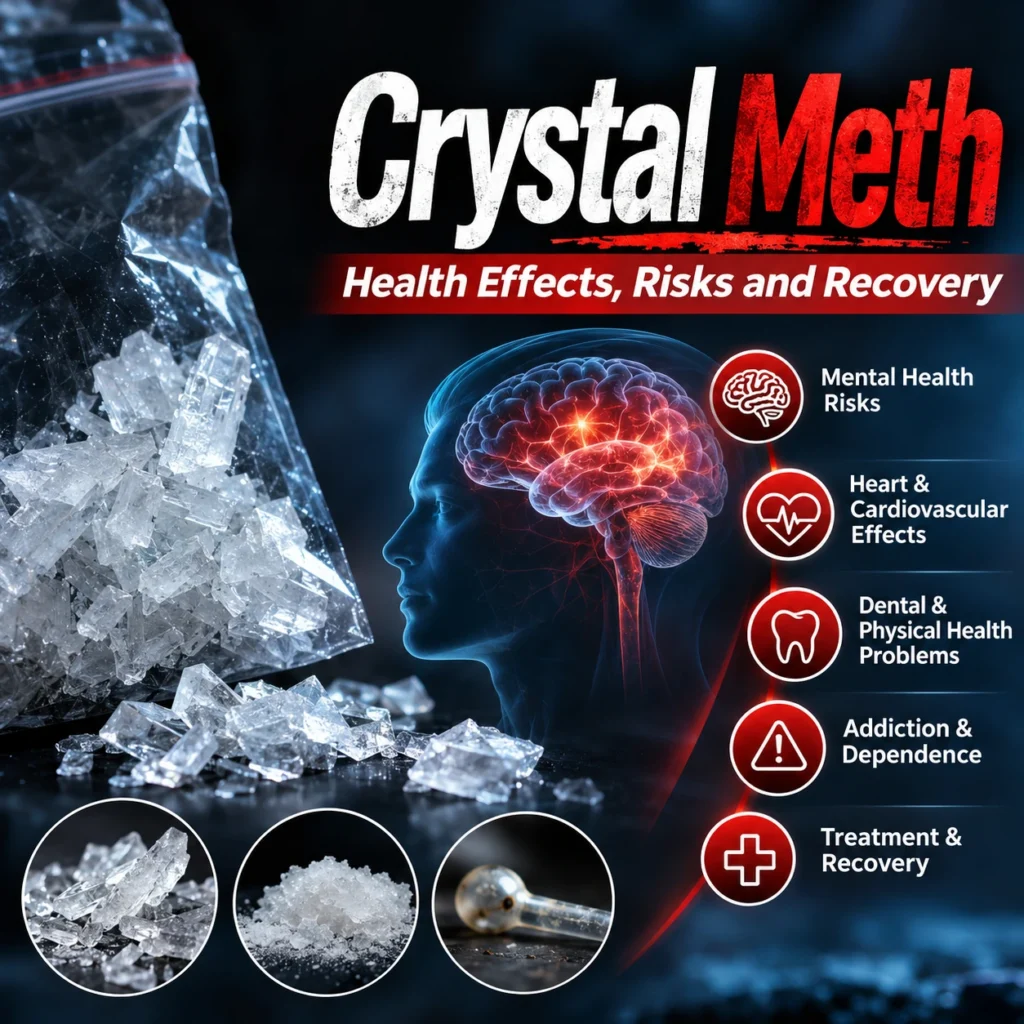
One reason the substance is commonly called crystal meth is its appearance. Public health sources describe it as a crystalline substance that may resemble small pieces of clear or white glass. It can also appear as a white or brownish crystalline powder. Its appearance is not consistent, and visual characteristics cannot establish its chemical identity, purity or strength.
People searching for what does crystal meth look like or crystal meth images may encounter photographs in medical education materials, public health campaigns and drug-awareness publications. Such images are intended to explain terminology and potential dangers associated with the substance.
However, photographs are not a reliable way to identify an unknown substance. Other materials can have similar appearances, while methamphetamine itself may look different depending on its composition and manufacturing conditions. Appropriate professional testing is necessary to establish what an unknown substance contains.
How Crystal Meth Affects the Brain and Body
Crystal meth affects the brain’s chemical signalling systems, particularly those associated with dopamine and alertness. These changes can produce a temporary sense of energy, confidence or euphoria. At the same time, the stimulation can place considerable pressure on the cardiovascular system and interfere with normal sleep, appetite and emotional regulation.
The effects are not identical for everyone. Individual health, previous substance exposure, the presence of other substances and environmental circumstances can all influence the experience. A person’s reaction may also change over time, especially when repeated use contributes to tolerance or dependence.
Short-Term Physical and Psychological Effects
Short-term crystal meth effects may include increased heart rate, elevated blood pressure, excessive sweating, dry mouth, enlarged pupils, reduced appetite and difficulty sleeping. Some people may also experience anxiety, agitation, irritability or restlessness.
Psychological effects can include heightened alertness, unusually elevated mood and a feeling of increased confidence. These changes can be temporary and unpredictable. In some cases, stimulation may become uncomfortable or overwhelming, contributing to confusion, panic or aggressive behaviour.
Sleep disruption is another important concern. A person may remain awake for an extended period and experience exhaustion once the stimulant effects decline. The resulting fatigue can affect concentration, emotional stability and the ability to carry out ordinary daily activities.
Long-Term Effects on Physical Health
Repeated exposure to methamphetamine can contribute to several long-term health problems. These may involve cardiovascular function, oral health, nutrition, sleep and general physical wellbeing. The severity of these problems can vary according to individual circumstances and patterns of exposure.
Potential concerns include dental damage, weight loss, persistent sleep difficulties, muscle stiffness and an increased risk of heart-related complications. Cardiovascular strain is particularly important because methamphetamine can increase heart rate and blood pressure. Over time, these effects may contribute to serious medical complications.
Oral health problems are also frequently discussed in medical literature. Dry mouth, teeth grinding, poor nutrition and changes in daily self-care can contribute to dental deterioration. These problems may become more difficult to manage when a person is experiencing dependence or other health difficulties.
Crystal Meth and Mental Health
The relationship between crystal meth and mental health is complex. Stimulant-related changes in brain activity can influence mood, attention, sleep and behaviour. Some people may experience anxiety, irritability or emotional instability, while others can develop more serious psychological symptoms.
Repeated or prolonged exposure has been associated with stimulant-induced psychosis. Symptoms may include paranoia, hallucinations, unusual beliefs and difficulty distinguishing between perceived experiences and reality. These symptoms can be distressing for the affected person and those around them.
Sleep deprivation can make psychological symptoms more difficult to manage. A person experiencing prolonged periods without adequate sleep may have trouble concentrating, controlling emotions or interpreting their surroundings. Professional assessment is important when unusual perceptions, severe confusion or significant behavioural changes occur.
Crystal Meth Addiction, Dependence and Tolerance
Crystal meth has a high potential for addiction. Its effects on the brain’s reward system can contribute to repeated substance-seeking behaviour and make it difficult for some people to stop. Over time, a person may develop tolerance, meaning that the same substance no longer produces the same perceived effects.
Dependence can affect several areas of life. A person may find that their daily routine, work, education, relationships and finances increasingly revolve around substance use. They may also experience strong cravings or continue using despite recognising the negative consequences.
Signs of crystal meth addiction can include changes in sleep patterns, reduced interest in everyday activities, unexplained financial difficulties, emotional instability and withdrawal from family or social responsibilities. These signs are not enough to establish a diagnosis on their own, but they may indicate that professional support is needed.
Crystal Meth Withdrawal Symptoms and Recovery
When a person who has developed dependence stops using methamphetamine, withdrawal symptoms may occur. The experience can involve both physical and psychological difficulties. Their intensity and duration vary according to individual health, the history of substance use and other personal circumstances.
Common crystal meth withdrawal symptoms include exhaustion, increased appetite, sleep disturbances, low mood, anxiety, irritability, difficulty concentrating and strong cravings. Some individuals may also experience depression or feelings of hopelessness.
Withdrawal can be challenging, but recovery is possible. Medical professionals and addiction specialists can assess a person’s circumstances and recommend suitable support. Treatment may involve counselling, structured recovery programmes, behavioural therapies and ongoing mental health care.
Recovery is not always a straightforward process. Some people experience setbacks before achieving longer periods of stability. Support from healthcare professionals, family members and appropriate recovery communities can help individuals maintain progress and address the challenges that arise during treatment.
Recognising Crystal Meth Overdose Symptoms
A methamphetamine overdose is a medical emergency. Severe stimulant effects can place dangerous pressure on the cardiovascular and nervous systems. Recognising warning signs and obtaining emergency medical assistance quickly can be critical.
Possible crystal meth overdose symptoms include chest pain, a racing or irregular heartbeat, difficulty breathing, severe agitation, confusion, seizures, dangerously high body temperature and loss of consciousness. A person experiencing these symptoms requires immediate medical attention.
Suspected overdose should never be managed by waiting for symptoms to disappear. Contact local emergency services immediately and follow the instructions of medical professionals. Stay with the affected person if it is safe to do so, and share any available information about substances that may have been involved.
Comparing the Main Health Concerns Associated With Crystal Meth
The following table summarises the major areas of concern discussed across the public health sources reviewed for this article. It is a qualitative overview, not a clinical risk assessment or a prediction of what will happen to an individual.
| Health area | Potential short-term concerns | Potential long-term concerns | Why it matters |
|---|---|---|---|
| Cardiovascular system | Rapid heartbeat and increased blood pressure | Heart complications and increased stroke risk | Stimulant effects can place significant strain on the heart and blood vessels. |
| Mental health | Anxiety, agitation and confusion | Paranoia, depression and possible psychosis | Changes in brain activity can affect mood, perception and behaviour. |
| Sleep and energy | Difficulty sleeping and unusual alertness | Persistent sleep disruption and exhaustion | Sleep problems can affect physical recovery and emotional regulation. |
| Nutrition and oral health | Reduced appetite and dry mouth | Weight loss and serious dental problems | Changes in appetite and oral health can affect overall wellbeing. |
| Dependence and recovery | Cravings and changes in behaviour | Substance dependence and withdrawal difficulties | Professional support may be needed to address ongoing substance-related problems. |
Research Overview: Health Topics Identified Across Five Sources
The following research comparison summarises the health topics discussed across five established public health information sources. The matrix identifies whether a topic is covered in the reviewed material. It does not measure medical severity, prevalence or individual risk.
| Health topic | Healthdirect | ADF | CAMH | MedlinePlus | Better Health |
|---|---|---|---|---|---|
| Appearance and identification | ✓ | ✓ | ✓ | ✓ | ✓ |
| Short-term effects | ✓ | ✓ | ✓ | ✓ | ✓ |
| Long-term health risks | ✓ | ✓ | ✓ | ✓ | ✓ |
| Overdose and emergency risks | ✓ | ✓ | ✓ | — | ✓ |
| Addiction and dependence | ✓ | ✓ | ✓ | ✓ | ✓ |
| Withdrawal symptoms | ✓ | ✓ | ✓ | — | ✓ |
| Treatment and recovery | ✓ | ✓ | ✓ | — | ✓ |
Chart key: ✓ = Topic covered in the reviewed page; — = Not identified as a dedicated topic in the reviewed page.
Sources reviewed: Healthdirect, Alcohol and Drug Foundation (ADF), CAMH, MedlinePlus and Better Health Channel. This comparison reflects the supplied source screenshots and is not a clinical assessment.
Treatment, Professional Support and Recovery
People affected by crystal meth dependence may benefit from professional treatment and ongoing support. The appropriate approach depends on individual health, mental health needs, the severity of dependence and the person’s wider circumstances.
Support options can include individual counselling, cognitive behavioural therapy, structured treatment programmes, group support and residential rehabilitation. Healthcare professionals may also assess related concerns such as depression, anxiety, sleep disruption and cardiovascular complications.
Family members and friends can play a valuable role by encouraging professional help without judgement. Recovery services can also provide guidance to people who are supporting someone affected by substance use. A supportive environment can make it easier to discuss problems and access appropriate care.
People who are worried about their own substance use should speak with a qualified healthcare professional or addiction support service. If someone experiences chest pain, seizures, breathing difficulties, severe confusion or unconsciousness, emergency medical assistance is essential.
Understanding the Wider Impact of Crystal Meth
Crystal methamphetamine is associated with a broad range of health and social concerns. Its stimulant effects can influence cardiovascular function, mental wellbeing, sleep, nutrition and behaviour. Repeated exposure may contribute to dependence, while stopping after prolonged use can involve difficult withdrawal symptoms.
Reliable information from medical and public health organisations helps explain these risks without relying on assumptions based on appearance or online terminology. Whether people encounter the terms crystal meth, crystal methamphetamine, crystallized methamphetamine or other common names, the most important consideration is understanding the potential harm and recognising when professional support is needed.
Awareness, early intervention and access to evidence-based treatment remain important parts of addressing methamphetamine-related health problems. With appropriate professional care and ongoing support, recovery is possible.
